
On October 7, a delegation of 24 representatives from the Helmholtz Association of Germany, led by President Martin Keller, visited the High Energy Accelerator Research Organization (KEK).
The Helmholtz Association is one of Germany’s largest research organizations, comprising 18 research centers across the country and conducting research in a wide range of fields, from basic science to research aimed at societal applications. During the visit, the delegation and KEK exchanged views on their respective research activities and future plans, as well as on international collaboration based on large-scale research facilities and opportunities to further strengthen scientific cooperation between Japan and Germany.
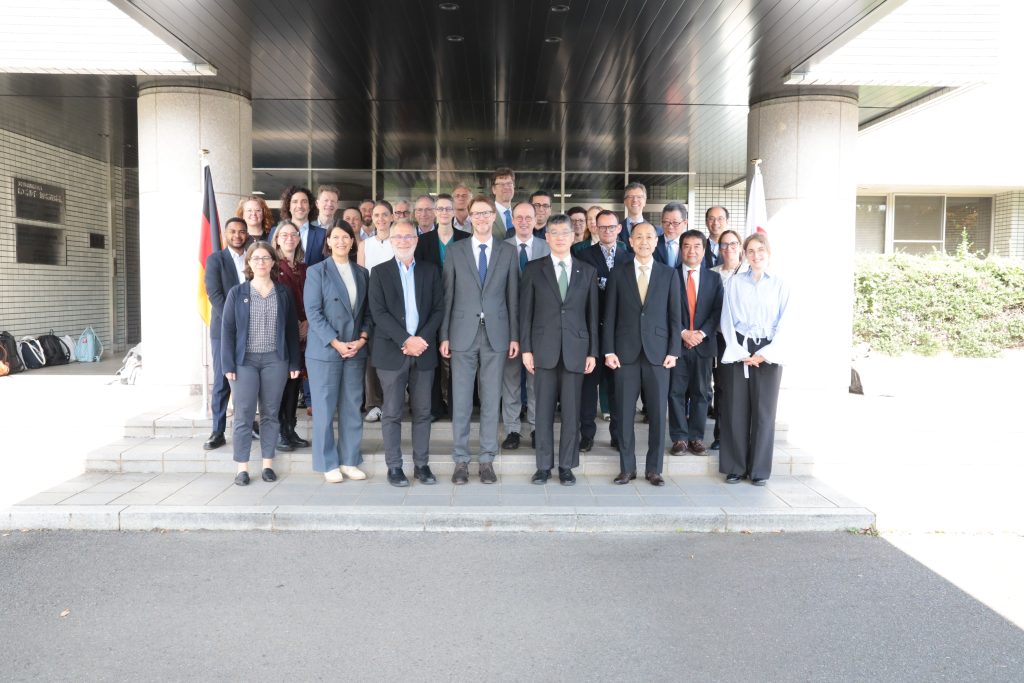
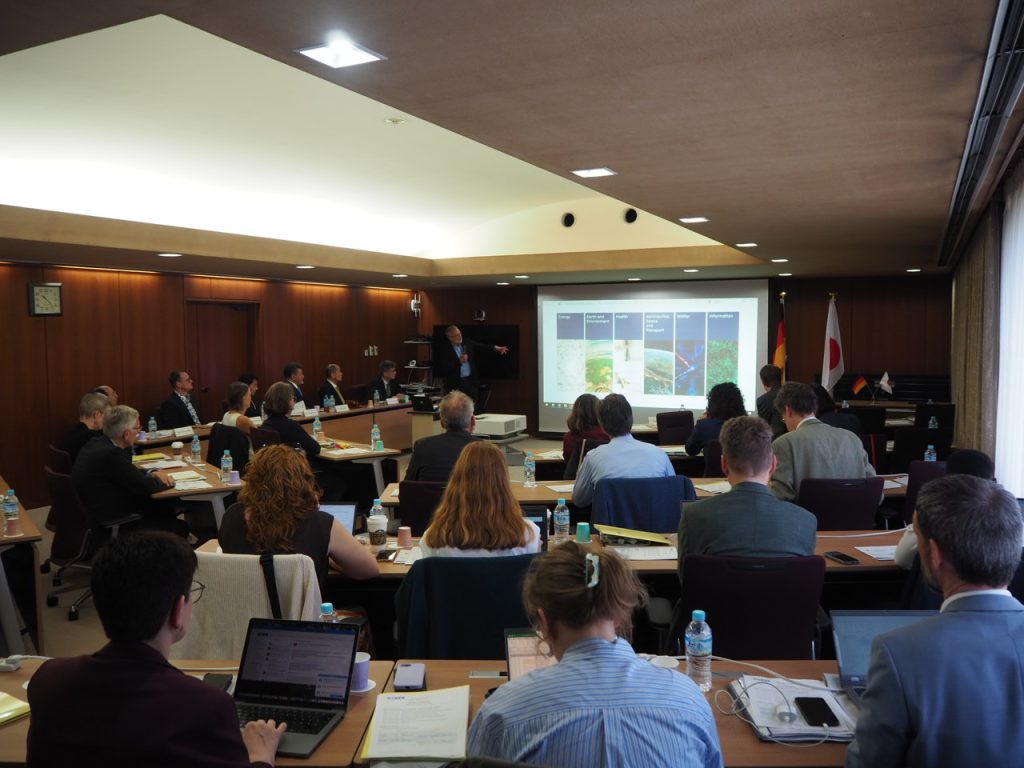
KEK Director General Shoji Asai welcomed the delegation and presented KEK’s research activities in accelerator science, particle and nuclear physics, quantum technology, and related fields, as well as the it’s future plans.
President Keller then introduced the Helmholtz Association’s research strategy, including its “systems of systems” approach to connecting basic and applied research across disciplines, the use of artificial intelligence in research, the importance of research infrastructures, and the strengthening of international collaboration.
Ulrich Husemann, Director of Particle Physics at DESY (Deutsches Elektronen-Synchrotron), a member of the Helmholtz Association, then introduced the long-standing research collaboration between DESY and KEK. DESY and KEK have maintained close cooperation for many years in areas including accelerator science, particle and nuclear physics, and researcher exchange. DESY and other German research institutions also make significant contributions to the Belle II experiment hosted by KEK, including the pixel vertex detector, physics analysis, and computing.
The participants subsequently exchanged views on future frameworks for international research collaboration. In particular, they discussed potential areas for future cooperation in research themes of common interest to Japan and Germany, including quantum sensing and superconducting accelerator cavities. They also exchanged views on opportunities to promote research collaboration between Japan and Europe through research support programs.
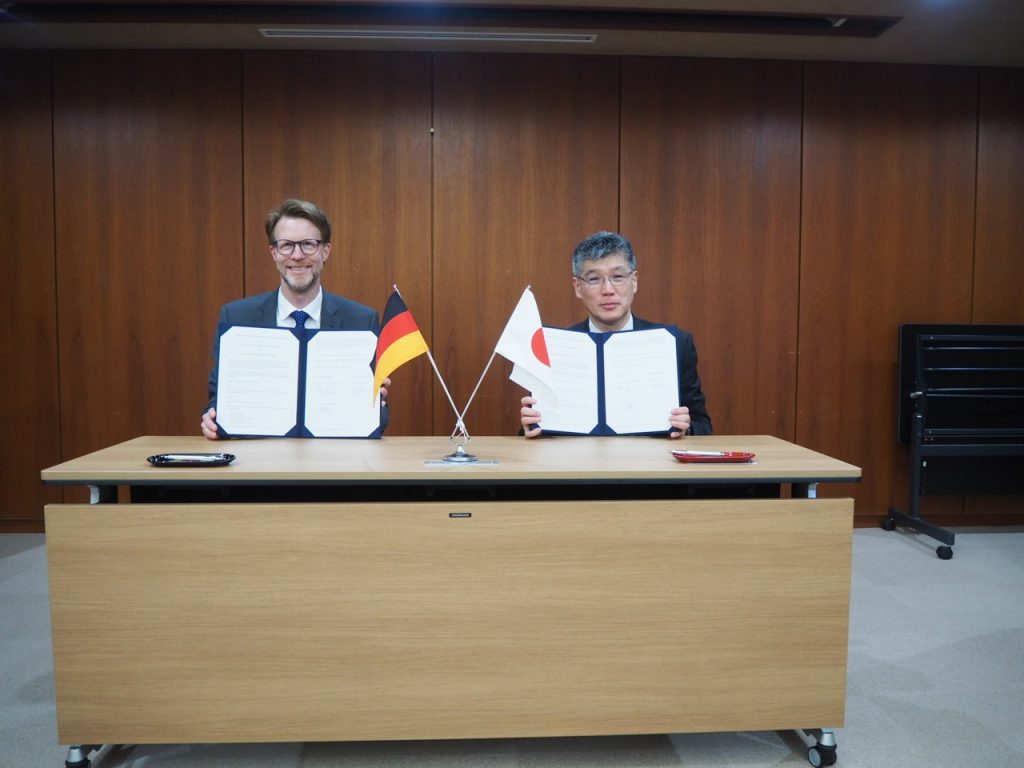
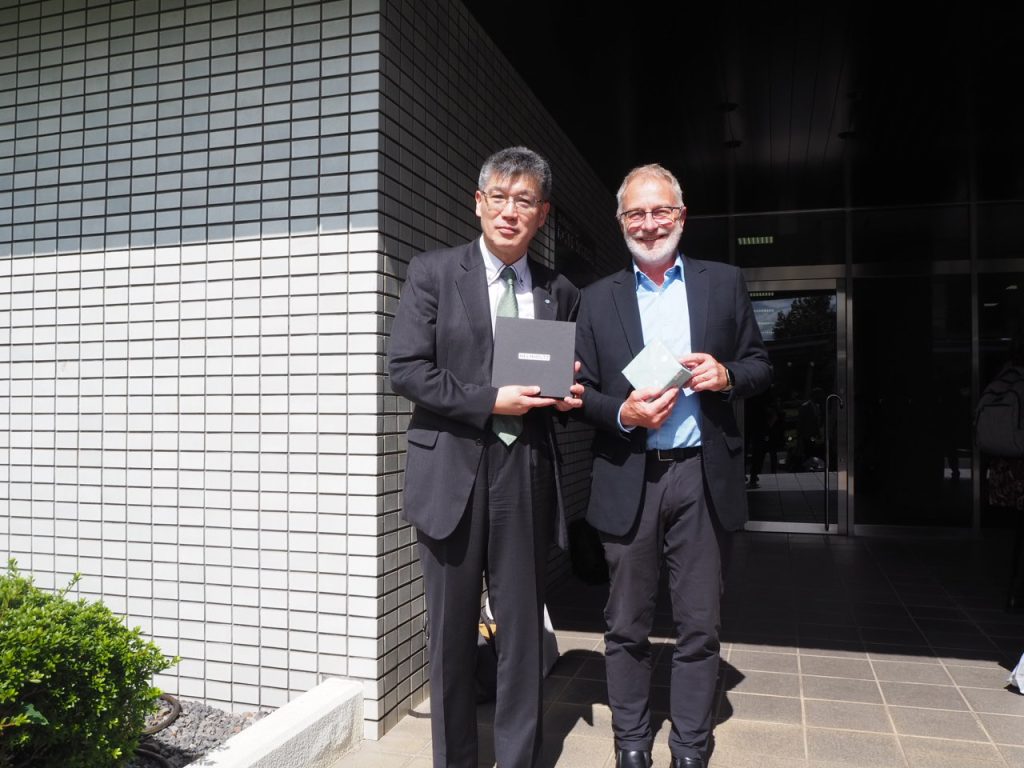
As part of the visit, a signing ceremony was held to mark the extension of the comprehensive cooperation agreement between KEK and DESY, further strengthening the long-standing partnership between the two institutions. KEK Director General Shoji Asai and DESY Director for Particle Physics Ulrich Husemann took part in the ceremony and confirmed their commitment to continuing and further developing cooperation through researcher exchanges, joint research, and other activities.
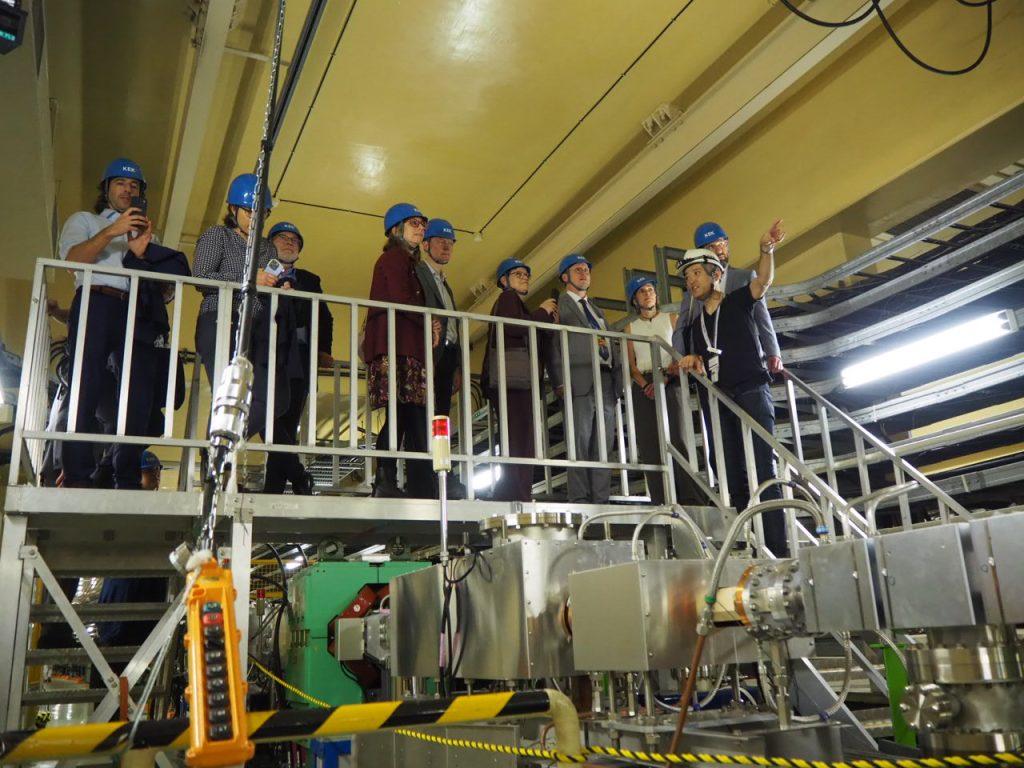
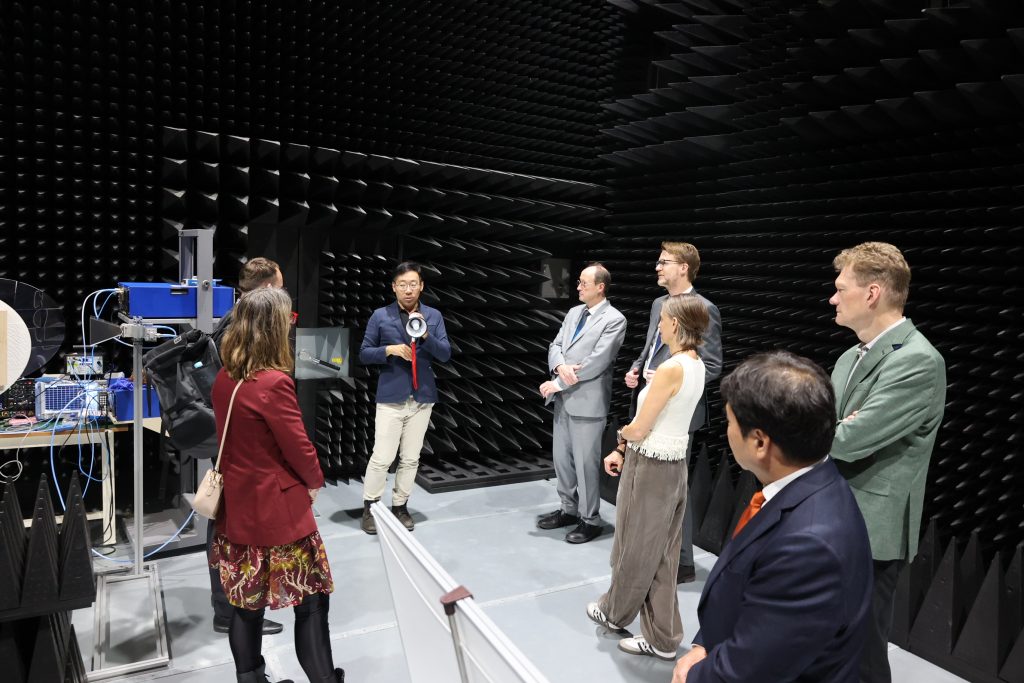
The delegation then split into two groups for tours of KEK’s research facilities. At the International Center for Quantum-field Measurement Systems for Studies of the Universe and Particles (WPI-QUP), a hub for quantum technology research at KEK, the visitors toured the new QUP building under the guidance of QUP Director Toshiyuki Azuma and Principal Researcher Tatsumi Nitta, and other staff members. They also visited the SuperKEKB tunnel, where they received an overview of KEK’s cutting-edge research facilities and accelerator technologies.
The visit is expected to deepen mutual understanding among the Helmholtz Association, DESY, and KEK and lead to further development of research collaboration.